
How much is homeowners insurance in Texas in 2026?
Average Texas homeowners premiums, what drives the price, and the line-items that actually move the number. A practical breakdown from an independent agent.
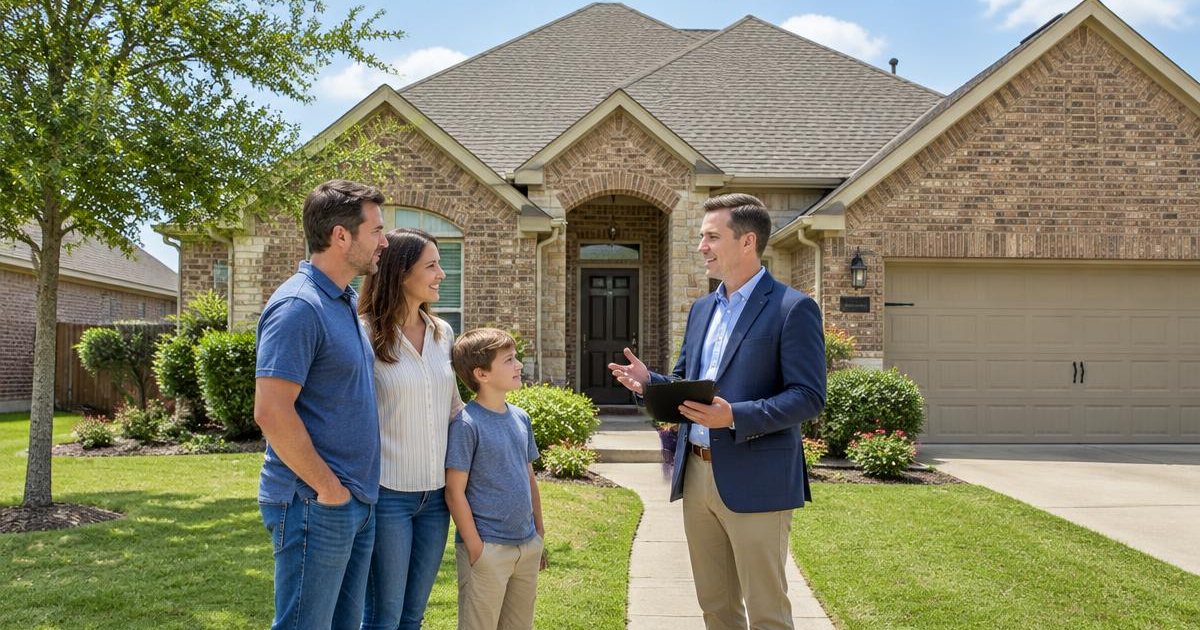
Texas has some of the highest homeowners insurance premiums in the country, and 2026 hasn't changed that. The short answer most Texans are looking for: average annual premiums currently fall between $2,800 and $4,500 for a typical single-family home, with coastal counties, hail-prone metros, and older homes pushing well above that range.
That's a wide spread, so the more useful question is why — and what you can actually do about it.
What goes into a Texas homeowners quote
Every carrier prices a home policy off the same handful of factors. The weight each one gets varies, but the list is consistent:
- Replacement cost of the dwelling. Not market value, not tax-assessed value — the cost to rebuild from scratch with current Texas labor and materials. This is the single biggest driver.
- Roof age and material. A 3-year-old composite roof prices very differently from an 18-year-old roof in a hail-prone ZIP code. Some carriers won't write a roof older than 15 years at all without a recent inspection.
- Location and ZIP code. DFW, Houston, Austin, and the I-35 corridor all carry hail and wind surcharges. Coastal counties add windstorm and hurricane considerations on top.
- Wind/hail deductible. In most Texas policies, this is a percentage of your dwelling limit (1%, 2%, sometimes 5%), not a flat dollar amount. A 2% deductible on a $400,000 dwelling is $8,000 out of pocket per hail event.
- Claims history. Both the home's claim history (yes, it follows the address) and yours. Two roof claims in five years is the most common reason carriers non-renew Texas homes.
- Credit-based insurance score. Legal in Texas and weighted heavily. Building credit lowers premiums noticeably over 12–24 months.
- Construction details. Brick veneer, age of plumbing and electrical, square footage, and whether you have a pool, trampoline, or aggressive-breed dog.
Why Texas is more expensive than most states
Three reasons, in order:
- Hail. Texas leads the country in severe hail events almost every year. North Texas in particular sees multi-billion-dollar hail seasons. Carriers price for it.
- Wind and convective storms. Straight-line wind damage, derechos, and tornado outbreaks happen across the state — not just along Tornado Alley.
- Reinsurance costs and litigation. The cost of reinsurance has climbed steeply since 2020, and Texas has historically been a tougher claims environment for carriers. Both costs land in your premium.
What lowers a Texas homeowners premium
Most of the savings come from a small number of moves:
- Raise your all-other-perils deductible to $2,500 or $5,000. Often saves 10–20% with almost no real exposure, because small claims hurt your renewal more than they help your wallet.
- Choose a higher wind/hail deductible carefully. Going from 1% to 2% saves real money but doubles your out-of-pocket on the most likely claim. Run the numbers both ways.
- Bundle home and auto. Multi-policy discounts are typically 10–25% across both lines.
- Replace an aging roof before quoting. A new roof with impact-resistant Class 4 shingles often unlocks an additional 10–30% credit and a much wider pool of willing carriers.
- Improve credit-based insurance score. Not instant, but the biggest long-term lever.
- Install monitored security, water-leak sensors, and a wind-mitigation strap kit where applicable.
What about flood?
Standard Texas homeowners policies exclude flood. If you're in a high-risk flood zone, your mortgage lender requires it. If you're not, a preferred-risk NFIP policy usually runs $400–$700/year — cheap insurance against an event that does five-figure damage from just a few inches of water. Many homes in Houston, Austin, and DFW outside official flood zones still flood every few years.
When to shop your policy
Most Texans should be requoting their home insurance every 1–2 years, especially in 2026. Carrier appetites change quickly here. The carrier that was cheapest two years ago has often pulled back, raised rates 20–30%, or stopped writing new business in certain ZIPs entirely. An independent agency shops dozens of carriers in a single visit — instead of going carrier by carrier yourself — and knows which markets are currently competitive in your area.
The independent-agent angle
Direct carriers (the ones that advertise on TV) can only show you their own price. An independent agency represents many A-rated carriers at once and can compare them side by side. In a state as volatile as Texas, that flexibility is the difference between absorbing a 30% renewal increase and quietly moving you to a better-priced carrier with similar or better coverage.
Want a real quote on your home? Start a quote and we'll run it across our full carrier list — usually back to you within one business day.