
Texas trucking insurance: what owner-operators actually need
The coverages every Texas owner-operator carries, the gaps that get drivers in trouble, and a realistic cost breakdown for new and seasoned authorities.
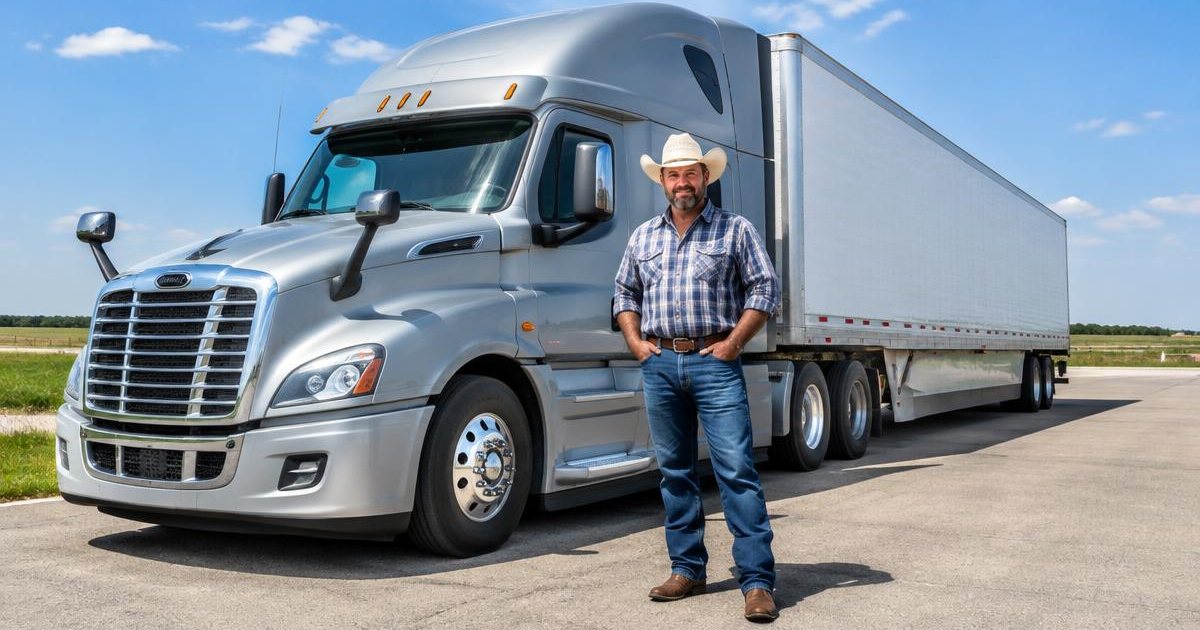
Texas trucking insurance is a category of its own. The premiums are higher than personal lines by an order of magnitude, the carriers are pickier, and a single coverage gap can put an owner-operator out of business after one accident.
Here's the practical guide we walk every new Texas owner-operator through.
The core stack
Every owner-operator running under their own MC authority in Texas needs, at minimum:
- Primary Auto Liability — pays for bodily injury and property damage you cause. Federal minimum for general freight is $750,000; in practice, almost every shipper and broker requires $1,000,000.
- Motor Truck Cargo — covers the freight you're hauling. Most brokers require $100,000 in cargo coverage. Refrigerated and high-value freight may require more, with reefer breakdown coverage added.
- Auto Physical Damage (APD) — comprehensive and collision on your tractor and trailer. Required by your lender if the equipment is financed.
- Trailer Interchange — covers physical damage to a trailer you don't own but are pulling under a written interchange agreement.
- General Liability — for non-driving exposures (slip-and-falls at a yard, premises issues, completed operations).
For owner-operators leased onto a motor carrier:
- Non-Trucking Liability (NTL / Bobtail) — covers you when you're driving the truck off-dispatch (no load, not on motor-carrier business). It does not replace primary liability.
- Sometimes Occupational Accident insurance if you're 1099 and don't qualify for workers' comp.
What none of this covers (gaps we see)
- Reefer breakdown — usually excluded from standard cargo. Add it explicitly if you haul perishables.
- Cargo theft beyond the basic limit — high-value cargo often needs a separate endorsement or higher limit.
- Workers' compensation for the owner — most owner-operators in Texas opt out, but anyone driving for you needs either workers' comp or occupational accident.
- Trailer interchange is not the same as physical damage on a trailer you own.
- Personal use of the truck — that's what NTL is for.
What it costs in Texas in 2026
Rough ranges for a single-truck owner-operator under their own authority, clean MVR, 3+ years experience:
| Coverage | New authority (<12 mo) | Seasoned (24+ mo, clean) |
|---|---|---|
| Auto liability ($1M) | $12,000 – $18,000 | $7,500 – $11,000 |
| Motor truck cargo ($100K) | $1,500 – $2,500 | $900 – $1,500 |
| Physical damage (5% deduct.) | 4–6% of equipment value | 3–4% of equipment value |
| NTL (if leased on) | $400 – $700 | $300 – $500 |
A new authority hauling general freight under their own MC should budget $14,000–$22,000 per year, all in. Seasoned operators with clean loss runs and a clean MVR routinely come down to $9,000–$13,000.
Specific things that move the price up: hazmat, intrastate-only authority, recent at-fault accidents, MVR violations (speeding 15+, log violations, preventable crashes), under-25 drivers, sub-2-year CDL experience, and unfavorable safety scores in FMCSA's SMS.
New venture surcharge
This catches every new owner-operator off guard: under most insurance scoring models, you'll pay a new-venture surcharge for the first 12–24 months of operating under your own authority. There's no way around it — carriers price for the elevated loss frequency of new operators. Plan for it.
The good news: that premium drops noticeably once you have 12 clean months and again at 24. Keeping a clean MVR and a clean loss run during your first two years is the single best long-term investment you can make in your insurance cost.
What carriers look at when quoting
Before we can quote you, we'll need:
- MC and DOT numbers (or pending application if pre-authority)
- Driver list with CDL #, DOB, hire/experience date, MVR
- Equipment list (year, make, model, VIN, value) for each tractor and trailer
- Radius of operation and primary commodities
- Loss runs (3–5 years if available)
- Filings needed (MCS-90, BOC-3, state filings)
A clean, organized submission from day one almost always comes back with better quotes than a scattered one.
The Klever angle
We write trucking statewide across Texas and have direct appointments with multiple A-rated trucking specialty markets. That means we can quote new authorities, seasoned single-truck owner-operators, and small fleets (up to ~25 power units) and shop them across multiple markets in one application — instead of you calling 5 captive carriers and getting one number from each.
Start a trucking quote or contact us and we'll send you the document checklist.