
Homeowners Insurance vs. Builders Risk: Are You Covered During a Renovation?
Planning a remodel, room addition or new home? Your homeowners policy may not cover every construction risk. Here is what to review before work begins.
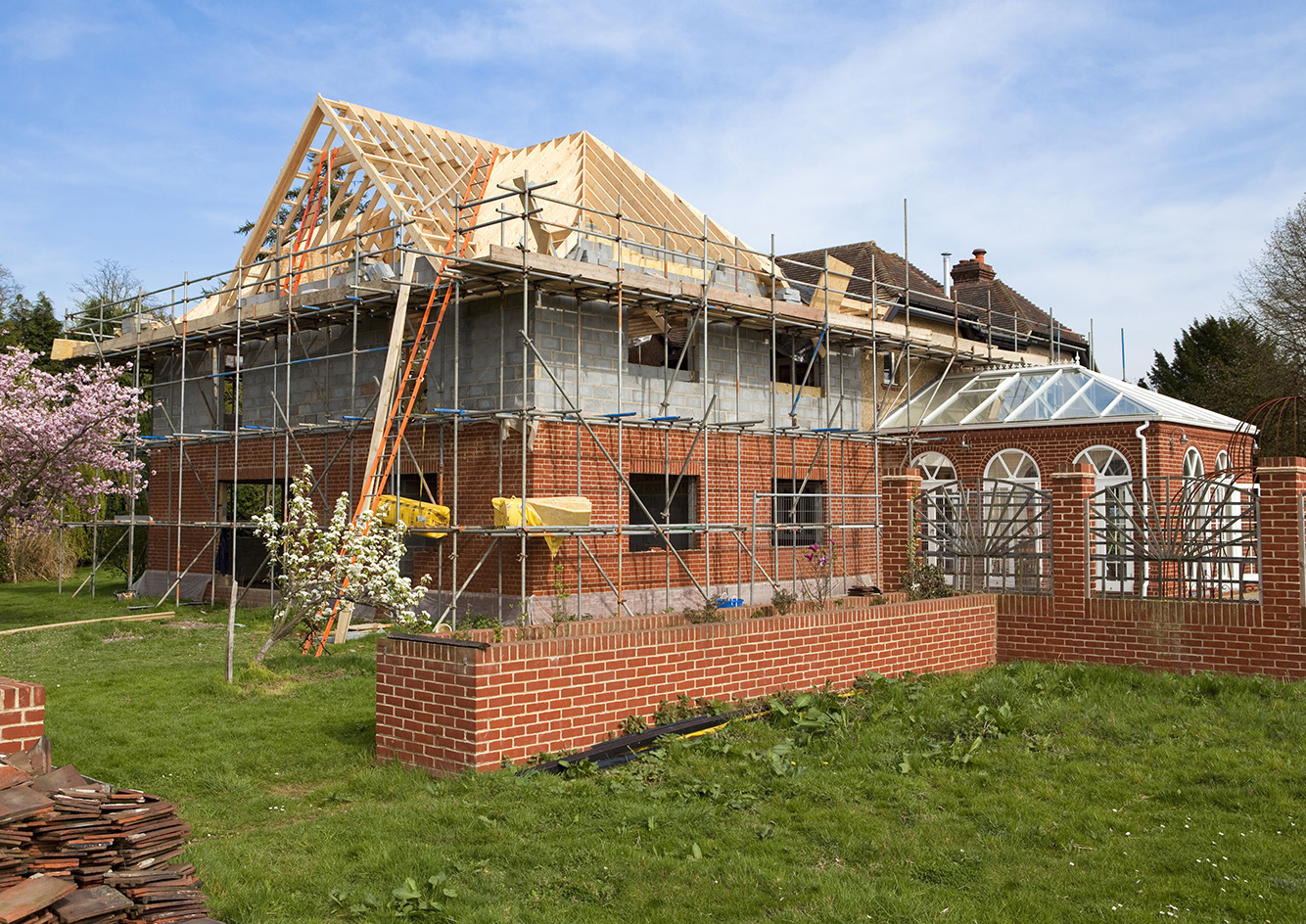
A kitchen remodel, a room addition or a new home can represent one of your biggest investments. But before materials arrive and construction begins, there is another important decision: what insurance protects the project while the work is underway?
Homeowners insurance may cover some aspects of a renovation, but it is not automatically a substitute for builders risk insurance. The answer depends on your current policy, the scope of the work, whether you will occupy the home and the coverage purchased for the project.
At Klever Coverage, we help homeowners understand the difference before a loss makes a coverage gap painfully clear.
What is builders risk insurance for homeowners?
Builders risk insurance, also called course of construction insurance, is property coverage designed for a building project while construction or renovation is in progress.
Depending on the policy, it can protect the structure being built or renovated and materials, fixtures or equipment that will become part of the finished property against covered physical loss or damage.
Think of lumber waiting to be installed, new cabinets delivered to a job site or framing that is not yet protected by a finished roof. These exposures differ from those of a completed, occupied home.
Coverage for the existing structure, materials in transit, off-site storage and temporary construction property must be checked specifically. Do not assume every builders risk policy includes them.
Does homeowners insurance cover renovations?
A homeowners policy generally combines protection for your dwelling and personal belongings with personal liability and additional living expenses, subject to its terms. It is primarily designed around the risks of owning and living in a home—not every exposure created by a construction project.
Some renovations may fit within an existing policy or be addressed through an endorsement. Other projects may require separate construction coverage. Tell your agent about the work before it begins, especially when:
- You are adding a room, another story or substantial square footage.
- The project involves major structural work or replacing the roof.
- You will move out while contractors work on the property.
- The home will be vacant or unoccupied for an extended period.
- You are building a new home from the ground up.
- Valuable materials will be delivered before installation.
Ask your insurer to confirm how the policy applies to the actual project, preferably in writing. Vacancy, occupancy, theft and construction-related provisions can affect coverage.
Homeowners insurance vs. builders risk: a practical comparison
The following comparison describes the purpose of each policy—not guaranteed coverage or universal limits.
| Coverage question | Homeowners insurance | Builders risk insurance |
|---|---|---|
| What is the policy designed for? | An existing home, personal belongings and personal liability, subject to policy terms. | Property exposures during an insured construction or renovation project. |
| Is the existing home covered during remodeling? | Depends on the policy and changes in construction or occupancy. | The existing structure may need to be specifically included. |
| What about materials awaiting installation? | Coverage may be limited or subject to restrictions. | Materials intended for the project may be covered; verify ownership, locations and limits. |
| Are deliveries and off-site storage covered? | Do not assume construction materials are fully insured away from the home. | Transit and temporary storage coverage may be available, with separate conditions or limits. |
| What happens if the project gets larger or runs late? | Notify the insurer about the work and changes in home value. | Ask about change orders, increased values and extending the coverage term. |
| Does it cover injuries or contractor mistakes? | Personal liability is subject to exclusions and policy terms. | Builders risk is property insurance, not a replacement for liability or workers compensation coverage. |
Specific deductibles, limits and endorsements vary. Comparing the actual forms matters more than comparing policy names.
Construction risks homeowners often overlook
Materials stolen before installation
A stack of lumber, appliances or fixtures can be an attractive target before it becomes part of the home. Ask whether theft is covered, where the materials must be stored and whether security requirements apply.
Damage to work in progress
Fire, wind and other covered events can damage an unfinished project. The cause of loss, the property involved and any exclusions determine whether a claim is covered. Flood and earthquake often require separate coverage or endorsements; availability varies.
Materials stored away from the job site
Cabinets may be waiting in a warehouse while flooring is being delivered. Ask about temporary storage and transit coverage, including the locations, distance restrictions and limits that apply.
Cleanup and recovery expenses
After a covered loss, rebuilding is not the only expense. Debris removal, expedited repairs and other recovery costs may be subject to separate limits or endorsements. Certain delay-related costs, sometimes called soft costs, may also require additional coverage. A project running late does not by itself mean those costs are insured.
Does the contractor's insurance protect the homeowner?
Not necessarily—and not against every type of loss. A contractor's liability policy and workers compensation coverage serve different purposes from builders risk property coverage.
Before signing the contract, establish:
- Who will purchase the builders risk policy, if one is needed.
- Whose interests will be insured: the homeowner, contractor and any other parties.
- Whether the existing home and the new work are both included.
- Who is responsible for materials before and after delivery.
- Which deductibles apply and who bears them under the contract.
Request evidence of the contractor's relevant insurance, but remember that a certificate alone does not establish that your project, your property or a particular loss is covered. Have your agent review the coverage arrangements alongside the contract.
When should builders risk coverage start and end?
Arrange the coverage review before construction begins or materials are delivered. Tell your agent the planned start date, estimated completion date, project value and whether you will stay in the home.
Do not assume builders risk continues until the expiration date regardless of project status. Completion, occupancy or other events may end coverage under the policy. If the work runs late, discuss an extension before coverage expires.
When the project is finished, review your permanent homeowners insurance. An addition, upgraded kitchen or other improvement may increase the cost to rebuild. Coordinating the transition helps avoid a gap and ensures the completed home is properly valued.
A renovation insurance checklist
Before your next project, gather:
- The property address and a description of the work.
- The construction contract and estimated project cost.
- Start and completion dates.
- Details about whether the home will remain occupied.
- Information about the existing structure and planned improvements.
- The contractor's insurance information.
- Details about materials stored off-site or transported to the property.
For Texas homeowners, discuss location-specific wind, hail or flood exposures rather than assuming every storm-related loss is covered. Our Texas hail and windstorm guide is a useful starting point for that conversation.
Frequently asked questions
Do I need builders risk insurance for a kitchen remodel?
Not every kitchen remodel requires a separate builders risk policy. The scope of work, project value, materials and current homeowners policy determine what protection may be appropriate. Ask your agent before demolition or deliveries begin.
Can a homeowner buy builders risk insurance?
Homeowners may be able to purchase builders risk coverage for an eligible project. Availability and underwriting requirements vary. Confirm who should purchase the policy and whose financial interests need to be included.
Does builders risk cover the existing house during an addition?
It can, depending on the policy and how the project is insured. Some policies insure only the new work unless the existing structure is specifically included. Review both the builders risk and homeowners policies together.
Is builders risk the same as contractor liability insurance?
No. Builders risk covers insured property against covered physical loss or damage. Liability insurance addresses certain claims for injury or damage to others. They are not interchangeable.
How much does builders risk insurance cost?
Pricing depends on project value, location, construction type, duration, coverage options and deductibles. A personalized review is more useful than a generic price that may not fit your project.
Protect your project before the first delivery
You should not have to discover a coverage gap after a fire, theft or storm interrupts construction. Klever Coverage can help you review your current policy and explore builders risk options for your project.
Request a renovation insurance review or contact Klever Coverage. Call (817) 719-1416 or email hello@klevercoverage.com with your project details.
Further reading
- Insurance Information Institute: Homeowners insurance basics
- Insurance Information Institute: When to review your insurance policy
- Utah Insurance Department: Home insurance glossary
This article provides general information, not a determination of coverage for a specific project or claim. Coverage, limits, deductibles, exclusions and eligibility vary by insurer, policy and state. The issued policy and endorsements control coverage.